
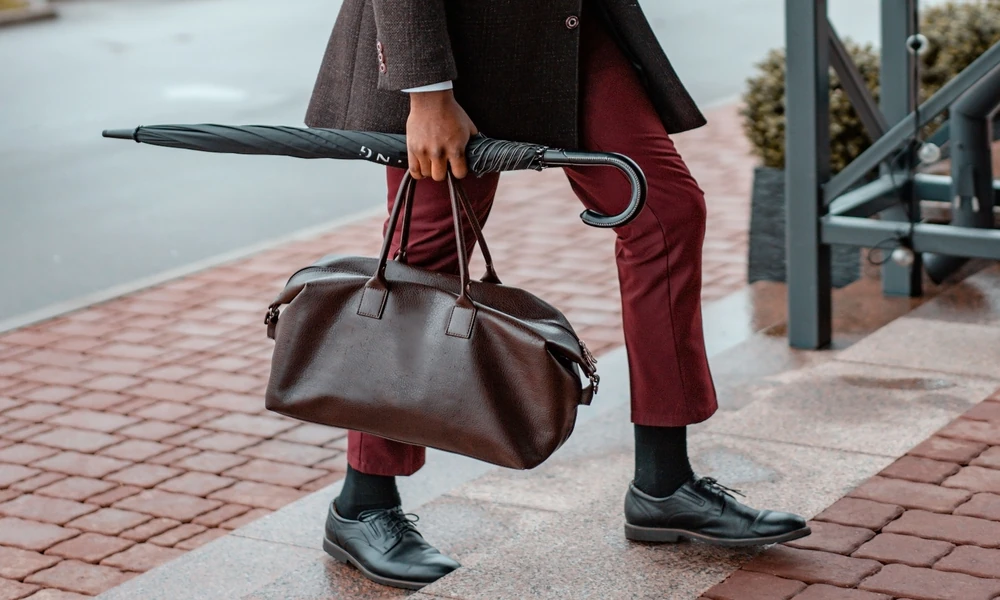
A bag that gets used daily needs to definitely be strong enough. Straps, zippers, and stitching all take consistent strain, and cheaper options tend to show problems within the first year. Spending a bit more on something well-built from the start is usually the more economical decision over time.
What to Look for in a Daily Use Bag
Padding is more important than most people factor in when buying. Shoulder straps without adequate cushioning become uncomfortable quickly, particularly on longer commutes or when the bag is fully packed. A padded back panel also helps with weight distribution across the back.
Water resistance is worth checking before buying. Most decent bags have a water-resistant outer layer, but zipper quality matters just as much since that is typically where water gets in first. If you regularly commute through rain, this should be a firm requirement rather than a bonus.
Picking the Right Backpacks
Backpacks are perfect for people who carry varied loads across different situations. College students, daily commuters, and frequent travellers all find them practical for the same reasons. Capacity, comfort, and the ability to keep both hands free.
| Bag Type | Best For | Key Feature |
| Backpack | Commute, college, travel | Capacity, dual straps |
| Laptop Bag | Office, client meetings | Padded sleeve, slim profile |
| Convertible | Mixed use | Carries both ways |
When Laptop Bags Make More Sense
Laptop bags should be your ideal choice for work if you are carrying your laptop. You should look for one that can accomodate your laptop, charger and documents together. A slim profile makes them easier to carry on public transport and store under a desk or in an overhead compartment.
The padding around the laptop compartment is the most important thing to assess. A sleeve that holds the laptop loosely or lacks sufficient cushioning offers little actual protection.
To Wrap Up
The right bag for everyday use depends on what you carry, how far you travel and how often you use it. It also depends on your intent, whether you have something heavy to carry or something light. With more than 3,500 backpacks and laptop bags across styles, sizes, and price points, AJIO makes it easier for you to discover something you will truly love.
FAQs
1. What size backpack is suitable for daily office use?
Anything between 20 and 30 litres works for most people. Below that, and you’re likely compromising on fit for a laptop and daily essentials together. Above 30 litres starts getting bulky on a daily commute.
2. Are laptop bags only suitable for office use?
A lot of people use them for short business trips too, particularly when the trip is just a day or two and a full trolley bag is unnecessary. The slim profile and document compartments make them practical beyond just office settings.
3. What material works best for a daily use backpack?
Nylon is light, rather strong and, unlike canvas, doesn’t absorb water so it stands up well for everyday usage. Polyester is a very close second, and often costs less without a significant drop in durability.
4. How do I know if a laptop bag fits my laptop?
Most bags list compatibility by screen size rather than exact dimensions. A 15-inch sleeve fits most standard laptops, but if you have a larger model it’s worth checking the actual internal measurements listed on the product page.
5. Can backpacks damage a laptop over time?
Unlike a specific sleeve, the main compartment of a normal backpack is not cushioned against impact, and pressure from other things inside the bag can cause issues after a while.